
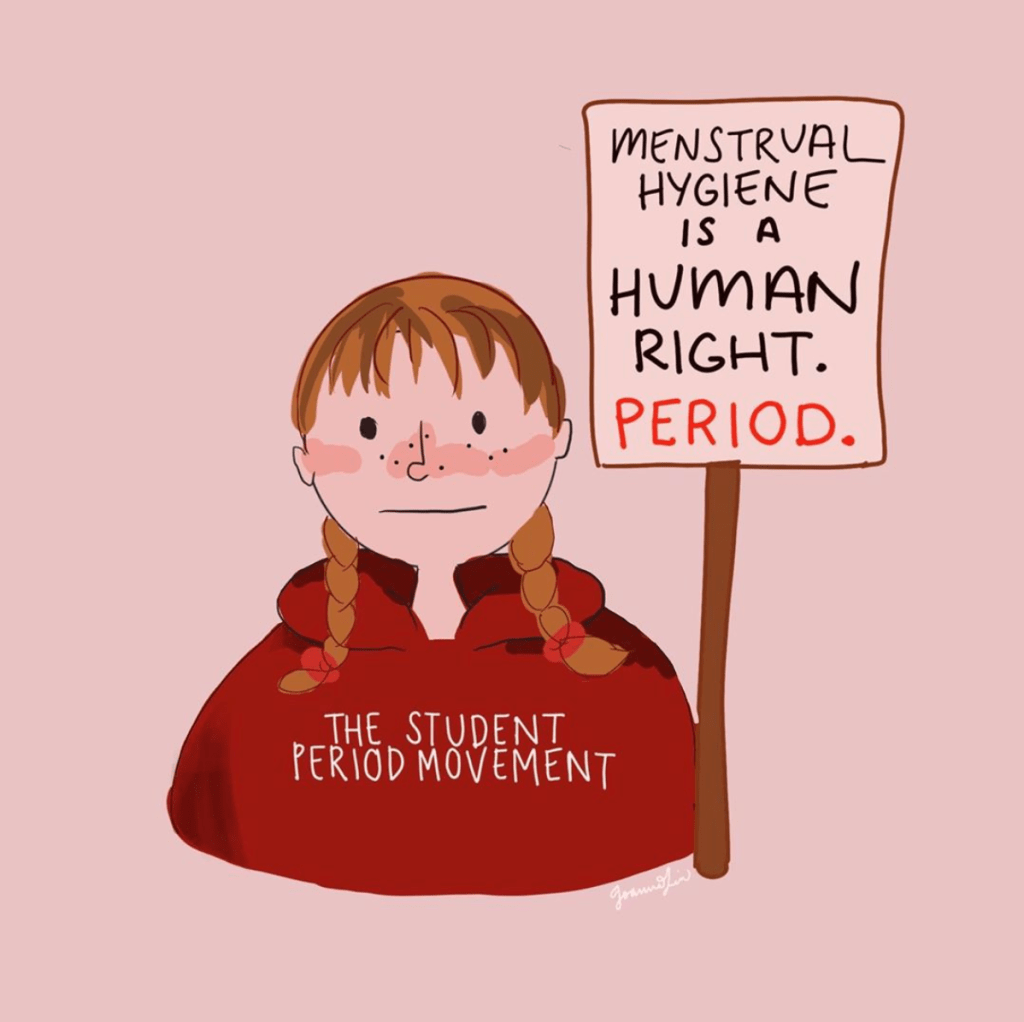
Period poverty is a global issue affecting women and girls who lack access to menstrual hygiene products due to financial constraints, leading to absenteeism from school or work and increased health risks. Initiatives such as providing accessible products in schools and addressing the stigma surrounding menstruation can help address this issue.
According to a report by Plan International UK, one in ten girls in the UK has been unable to afford sanitary products, and nearly 20% have struggled to afford them. A similar situation exists in the United States, where a survey conducted by YouGov found that nearly one in five women has struggled to afford menstrual products at some point in their lives. However, the issue is not limited to these countries, as period poverty affects women and girls globally.
Lack of access to menstrual hygiene products can seriously affect women and girls. It can lead to absenteeism from school or work and an increased risk of infection. In some cases, women and girls may use unsanitary alternatives, such as rags or newspapers, which can lead to serious health risks.
Various initiatives aim to address period poverty and increase access to menstrual hygiene products. The government has funded schools in the UK to provide free menstrual products. Some states have implemented “luxury tax” exemptions in the US on menstrual products, while others have passed laws requiring schools to provide free products.
In addition to increasing access to products, addressing the stigma surrounding menstruation is essential. Many cultures view menstruation as taboo, leading to a lack of education and information about menstrual hygiene. This can make it difficult for women and girls to ask for help or to speak out about their experiences with period poverty.
Period poverty is a severe global issue affecting women and girls. By increasing access to menstrual hygiene products and addressing the stigma surrounding menstruation, we can work towards a future where all women and girls have the resources and support they need to manage their menstrual health.
 floforchange.com
Leave a comment