
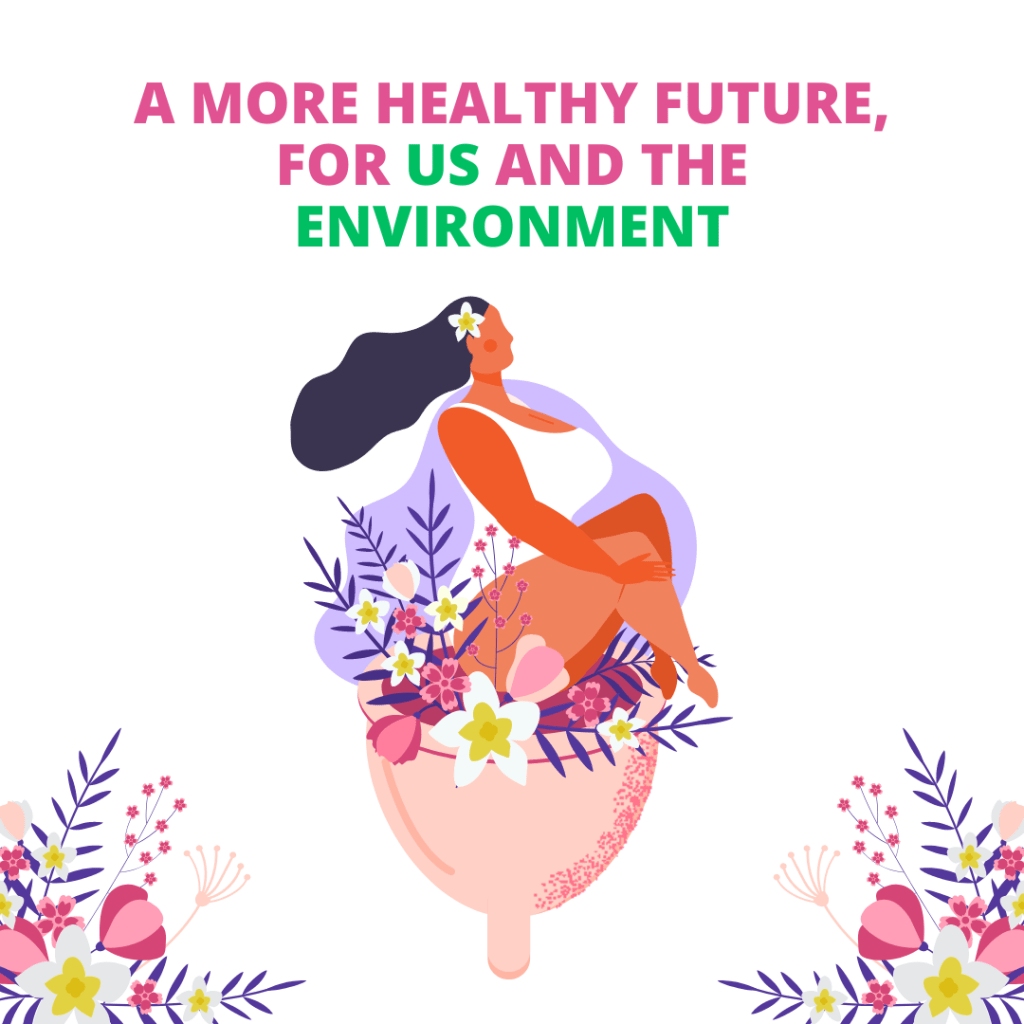
The issues of period poverty and sustainability are, despite what is may seem, deeply interconnected. Period poverty affects millions of people by denying them access to essential menstrual products and the right of managing their periods comfortably and securely. Meanwhile, sustainability focuses on minimizing our environmental footprint and ensuring responsible resource use.
Period poverty affects individuals in various socioeconomic situations and can lead to health problems, missed school or work, and an overall diminished quality of life. The lack of access to sanitary products often forces individuals to use unsafe or unsanitary alternatives, intensifying health risks and further impacting one’s quality of life.
At the same time, disposable menstrual products contribute significantly to environmental waste. They are typically made from plastic, which takes hundreds of years to decompose, and often contain harmful chemicals. Billions of menstrual products end up in landfills each year, contributing to plastic pollution and environmental degradation.
Addressing period poverty with sustainable solutions offers a dual benefit: it improves the lives of those in need while reducing environmental impact. Reusable menstrual products like menstrual cups, cloth pads, and period panties offer a sustainable alternative to disposable products. These items can last for years with proper care, drastically reducing waste and providing a cost-effective solution for those struggling with period poverty.
Promoting the use of eco-friendly menstrual products can significantly cut down on plastic waste, helping the environment and aligning with broader sustainability goals. Education about these sustainable options empowers individuals to make informed choices, which can lead to increased adoption of eco-friendly products and a greater collective effort towards sustainability.
Furthermore, sustainable menstrual products can be more cost-effective in the long run, alleviating some of the financial burdens associated with period poverty. By investing in reusable products, individuals can save money that can be redirected towards other needs, enhancing overall economic stability.
Several organizations and initiatives are successfully combining efforts to combat period poverty and promote sustainability. For example, companies like Thinx and Aisle provide eco-friendly menstrual products while also supporting communities in need. Their business models often include donations and educational programs, which help alleviate period poverty while promoting sustainable practices.
Non-profit organizations such as Days for Girls distribute reusable menstrual products and educate communities about menstrual health and sustainability. Their work demonstrates how targeted efforts can simultaneously address immediate needs and foster long-term environmental benefits.
Addressing period poverty through sustainable solutions is not just an environmental or social issue; it’s a matter of human rights. By improving access to eco-friendly menstrual products, we can break the cycle of period poverty while contributing to broader sustainability goals.
 floforchange.com
Leave a comment